Why Your Ceramic Coating is Peeling and How to Prevent It in Ceramic Coating San Jose, CA
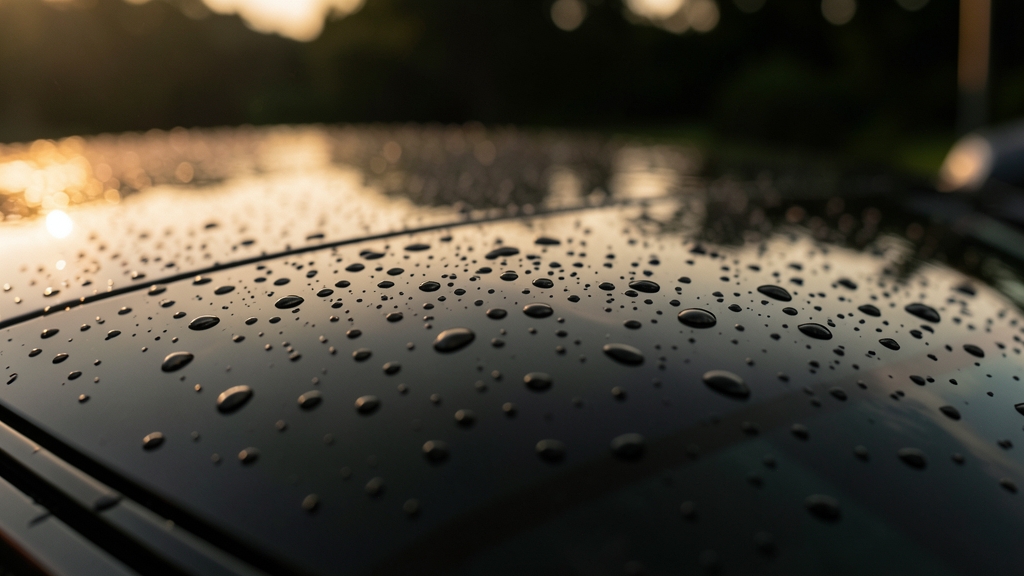
Seeing your ceramic coating peel or bubble is frustrating—especially after investing in protection for your vehicle. In San Jose’s sunny, dry climate with sudden temperature shifts, improper application or prep is often the culprit. We’ll break down the root causes and how to keep your coating intact for years.
What Causes Ceramic Coating to Peel or Fail?
Peeling usually starts with poor surface preparation. Even microscopic oils, waxes, or oxidation can prevent the nano-ceramic polymers from bonding to the clear coat. Without a flawless base, the coating lacks the mechanical grip it needs to endure San Jose’s intense UV exposure.
Another common issue is applying the coating in extreme heat or direct sunlight. Ceramic coatings cure through a chemical cross-linking process. If applied at 90°F+ or under harsh sunlight, the product may flash-cure too quickly, trapping solvents and creating weak spots that later delaminate.
Low-quality or expired products are also to blame. Not all ceramic coatings are equal—some budget formulations lack the silicon dioxide (SiO2) concentration needed for long-term durability. In our dry, dusty region, inferior coatings degrade faster under constant UV and abrasion.
San Jose’s Climate: A Hidden Stress Test for Coatings
Our area’s high UV index accelerates oxidation and breaks down weaker coatings. Even premium products can struggle if not maintained properly. The dry air also means more dust and pollen, which can etch into the coating if left uncleaned.
Temperature swings—cool mornings and hot afternoons—cause expansion and contraction in the paint and coating. Over time, this thermal cycling can stress the bond between the coating and clear coat, especially if the coating wasn’t applied in a controlled environment.
Applying ceramic coating in San Jose’s midday heat can lead to uneven curing and premature failure. Always work in a shaded, temperature-controlled space.
A full decontamination is non-negotiable. This means a thorough wash with a pH-neutral soap, followed by a clay bar treatment to remove embedded contaminants. Skipping this step leaves a barrier that prevents proper adhesion.
Paint correction is often necessary before coating. Swirl marks, scratches, or oxidation must be polished out. The coating amplifies imperfections—it won’t hide them. In areas like Sunnyvale or Cupertino, where vehicles see heavy highway use, this step is critical.
Finally, a final wipe-down with an isopropyl alcohol (IPA) solution ensures a completely clean surface. Any residual oils or polish residues will compromise the bond. This is where many DIY attempts go wrong.
Application Mistakes That Lead to Peeling
Applying too much product is a common error. Ceramic coatings are designed to be applied in thin, even layers. Thick application leads to uneven curing, longer drying times, and a higher risk of peeling or streaking.
Inconsistent curing conditions are another issue. After application, the vehicle should remain indoors for at least 24–48 hours to allow the coating to fully cross-link. Driving or exposing it to rain (even light Bay Area drizzles) can introduce contaminants that disrupt the process.
Using the wrong applicator can also cause problems. Microfiber applicators are ideal, but low-quality or dirty pads can introduce debris. Always use fresh, high-pile microfiber for optimal results.
How Ceramic Coating Compares to Other Protection Methods
Ceramic coatings offer superior longevity and UV resistance compared to traditional waxes or sealants. However, they’re not as impact-resistant as Paint Protection Film (PPF). For full protection, many Santa Clara and Milpitas drivers combine both: PPF for high-impact areas and ceramic coating for the rest.
Wax provides a deep shine but lasts only weeks to months. Ceramic coatings, when applied correctly, can last years. They also resist chemicals, bird droppings, and water spots far better than wax or sealants.
| Feature | Ceramic Coating | Wax/Sealant | PPF |
|---|---|---|---|
| Durability | 3-5+ years | Weeks to months | 5-10+ years |
| UV Protection | Excellent | Moderate | Excellent |
| Scratch Resistance | Moderate | Low | High |
| Self-Cleaning | Yes (hydrophobic) | No | No |
| Gloss Enhancement | High | High | Moderate |
| Impact Resistance | Low | None | High |
| Maintenance | Low (pH-neutral washes) | High (reapply often) | Low (self-healing options) |
Maintenance Tips to Extend Your Coating’s Life in San Jose
Regular washing is key, but avoid automatic car washes with harsh brushes. Use a pH-neutral soap and a high-quality wash mitt to prevent scratching. In dusty areas like Campbell, more frequent washes may be needed.
Drying your vehicle properly prevents water spots. Use a clean microfiber towel and consider a quick detailer spray to enhance the hydrophobic effect. Never let water air-dry, as mineral deposits can etch the coating over time.
Avoid parking under trees or in direct sunlight for extended periods. Bird droppings, sap, and UV rays can degrade the coating faster. If contamination occurs, clean it immediately with a dedicated automotive detailer.
Every 3-6 months, apply a ceramic boost spray to refresh the hydrophobic properties and extend the life of your coating. This is especially useful in Cupertino’s dry climate.
When to Consider a Professional Reapplication
If your coating is peeling in large sections or has lost its hydrophobic properties, it’s time for a professional assessment. Attempting to apply a new layer over a failing coating will only compound the problem.
Our team often sees vehicles from Sunnyvale or Milpitas where the coating was applied without proper prep. In these cases, we’ll strip the old coating, perform paint correction if needed, and reapply a fresh layer for maximum durability.
For fleet or commercial vehicles, regular inspections are a must. The constant exposure to road grime and weather means coatings degrade faster. A proactive maintenance schedule keeps your investment protected.
Signs Your Ceramic Coating Needs Attention
- Water no longer beads up on the surface
- Visible peeling, bubbling, or hazing
- Increased difficulty in cleaning (contaminants stick more)
- Dull or faded appearance compared to post-application
- Scratches or swirls are more noticeable
How to Properly Wash a Ceramic-Coated Vehicle in San Jose
Maintaining your ceramic coating starts with the right washing technique to preserve its hydrophobic and protective qualities.
- 1Pre-Rinse Thoroughly
Use a pressure washer or hose to remove loose dirt and debris. This prevents scratching during the wash process.
- 2Use pH-Neutral Car Soap
Avoid dish soaps or household cleaners, which can strip the coating. Stick to a high-quality, pH-neutral automotive shampoo.
- 3Wash with the Two-Bucket Method
Use one bucket for soap and another for rinsing your mitt. This keeps dirt from being reintroduced to the surface.
- 4Dry with a Clean Microfiber Towel
Pat the surface dry immediately after rinsing to prevent water spots. A quick detailer spray can add extra protection.
- 5Inspect for Contaminants
Check for tar, bug splatter, or bird droppings. Use a dedicated automotive cleaner to remove them without damaging the coating.
Frequently Asked Questions
Can I apply a new ceramic coating over a peeling one in San Jose?
No. Peeling indicates a bonding failure, and applying a new layer over it will only trap moisture and contaminants, leading to further issues. The old coating must be fully removed, and the surface prepped before reapplication.
How often should I reapply ceramic coating in San Jose’s climate?
Professional-grade ceramic coatings typically last 3–5 years with proper maintenance. However, in San Jose’s high-UV environment, a maintenance boost every 1–2 years can extend its lifespan.
Does ceramic coating prevent scratches and chips?
Ceramic coatings add a hard, protective layer that resists minor scratches and swirls, but they won’t prevent rock chips or deep scratches. For that, consider Paint Protection Film (PPF) for high-impact areas.
Why does my ceramic coating look streaky?
Streaking usually results from improper application, such as applying too much product or not leveling it correctly. Environmental factors like high humidity or temperature can also cause uneven curing.
Is ceramic coating worth it for older vehicles in Ceramic Coating San Jose?
Yes, but only if the paint is in good condition. Older vehicles may require paint correction or touch-ups before coating. It’s a great way to restore and protect faded or oxidized paint common in older cars.
Can I apply ceramic coating to wheels or brake calipers?
Absolutely. Wheels and brake calipers benefit greatly from ceramic coatings due to their exposure to brake dust, road grime, and high temperatures. It makes cleaning much easier and prevents corrosion.