The Science Behind Hydrophobic Ceramic Coatings for San Jose Drivers in Ceramic Coating San Jose
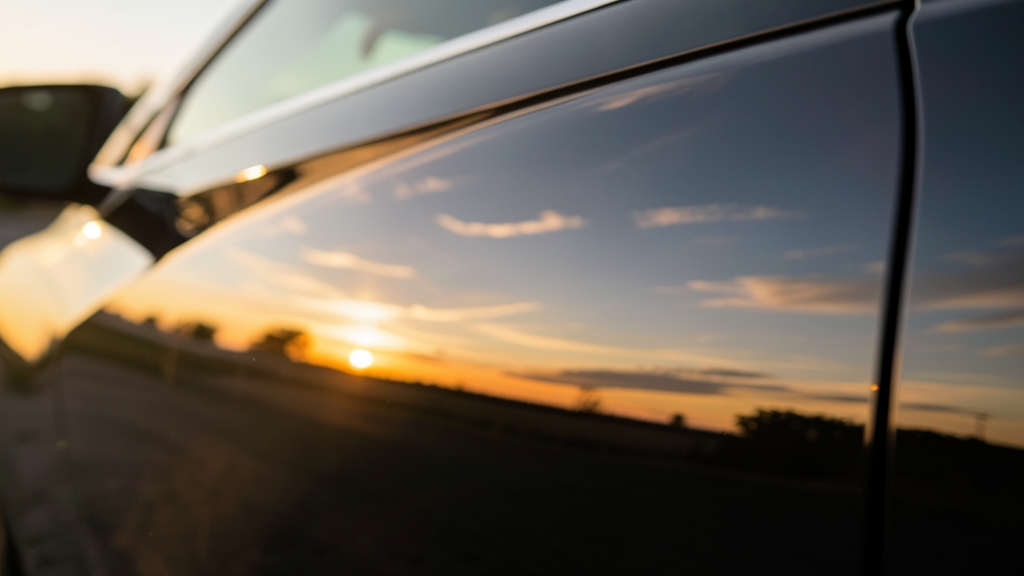
Hydrophobic ceramic coatings aren’t just a marketing buzzword—they’re a game-changer for San Jose drivers facing everything from blistering summer UV to winter road grime. We break down the chemistry, real-world performance, and why our team relies on this tech to protect vehicles across the Bay Area.
What Makes a Ceramic Coating Hydrophobic?
The hydrophobicity in ceramic coatings stems from their nanoparticle structure, primarily silica (SiO2) or titanium dioxide. These particles create a ultra-smooth, non-porous surface that water molecules can’t adhere to, forcing them to bead up and roll off.
This isn’t just about water—it repels oils, dirt, and contaminants too. The higher the contact angle (typically 110°+ for premium coatings), the more extreme the beading effect. In San Jose’s dry climate, this means less water spotting and easier cleaning after rare rain showers.
Cheap spray-on products use temporary polymers that degrade in weeks. True ceramic coatings chemically bond to your paint, lasting years with proper prep like paint correction.
How Nanotechnology Enhances Durability in San Jose’s Climate
San Jose’s intense UV exposure accelerates paint oxidation. Ceramic coatings act as a sacrificial layer, absorbing UV rays and preventing clear coat breakdown. The silica matrix also resists heat up to 1,200°F—critical for vehicles parked in Sunnyvale or Milpitas’ industrial zones.
The Bay Area’s salt air from the coast (especially near Santa Clara) can corrode paint over time. A properly applied ceramic coating creates a barrier that repels salt, bird droppings, and tree sap—common nuisances in Campbell and Cupertino.
Hydrophobic vs. Hydrophilic: Why It Matters for Your Vehicle
Hydrophilic surfaces attract water, causing it to sheet off. While this sounds useful, it often leaves behind water marks and doesn’t repel contaminants as effectively. Hydrophobic coatings, on the other hand, force water to bead and carry dirt away.
For San Jose drivers, hydrophobic coatings mean less frequent washes and reduced risk of swirl marks from improper drying. This is especially valuable for fleet vehicles in commercial areas where time is money.
| Property | Hydrophobic Ceramic Coating | Hydrophilic Coating |
|---|---|---|
| Water Behavior | Beads and rolls off | Sheets off |
| Contaminant Repellency | High (dirt, oils, salts) | Low to moderate |
| Self-Cleaning Effect | Strong (dirt lifts with water) | Weak |
| Water Spotting | Minimal | Common |
| Durability | 2-5+ years (with proper prep) | 6-12 months |
The Role of Paint Correction Before Ceramic Coating
A ceramic coating amplifies your paint’s flaws. That’s why we always start with paint correction—removing swirls, scratches, and oxidation to ensure a flawless finish. This step is non-negotiable for luxury vehicles in Palo Alto or daily drivers in San Jose.
Our team uses multi-stage polishing with diminishing abrasives to restore clarity. Skipping this step means locking in imperfections under the coating, defeating its purpose.
Over-the-counter ceramic sprays lack the purity and bonding agents of professional-grade products. Without proper surface prep, they’ll fail prematurely—often within months.
Ceramic Coatings vs. Paint Protection Film (PPF): Which Is Right for You?
PPF offers physical protection against rock chips and deep scratches, ideal for San Jose’s highways. But it lacks the self-cleaning and UV-resistant properties of ceramic coatings. Many drivers opt for both: PPF on high-impact areas (hood, bumper) and ceramic coating over the entire vehicle.
Ceramic coatings also excel on wheels, brake calipers, and glass. We often apply ceramic window tint in Sunnyvale or Milpitas to pair with exterior coatings for full protection.
Longevity Factors: What Affects Your Coating’s Lifespan in San Jose?
The lifespan of a ceramic coating depends on three key factors: product quality, surface prep, and maintenance. Professional-grade coatings (like those we use) contain 70-90% SiO2, while consumer products often have 20-30%.
San Jose’s climate—hot summers, rare but intense rain, and coastal salt exposure—can shorten a coating’s life if not maintained. Regular washes with pH-neutral soap and annual inspections extend durability.
Maintenance Tips to Preserve Hydrophobic Properties
Wash your vehicle every 2 weeks with a high-quality, pH-neutral car shampoo. Avoid automatic car washes with harsh brushes—they can degrade the coating over time.
Use a microfiber wash mitt and the two-bucket method to prevent swirl marks. For stubborn contaminants like bird droppings or tree sap (common in Cupertino’s wooded areas), use a dedicated ceramic-safe detailer spray.
Avoid wax or sealants—they can leave residues that interfere with the coating’s hydrophobic properties. If you notice water no longer beading, it’s time for a maintenance inspection.
Ceramic Coating Maintenance Essentials
- Wash with pH-neutral shampoo biweekly
- Use microfiber towels for drying
- Avoid automatic car washes with brushes
- Apply ceramic-safe detailer for contaminants
- Inspect coating annually for wear
How to Verify Your Ceramic Coating’s Hydrophobic Performance
Testing your coating’s effectiveness is simple and takes just a few minutes.
- 1Water Beading Test
Spray a fine mist of water onto a clean, dry panel. A properly applied hydrophobic coating will cause water to bead into tight, round droplets.
- 2Sheet vs. Bead Observation
If water sheets or flattens, the coating may be degraded or improperly applied. True hydrophobicity means beads that roll off with minimal tilt.
- 3Dirt Repellency Check
After a drive, lightly hose down the vehicle. Dirt should lift away with the water beads. If it sticks, the coating’s self-cleaning properties are fading.
- 4Contact Angle Inspection
For a precise check, use a contact angle meter (common in professional shops). Readings below 90° indicate reduced hydrophobicity.
- 5Annual Professional Inspection
Schedule a check-up with our team. We use specialized tools to measure coating thickness and hydrophobic efficiency, ensuring peak performance.
Frequently Asked Questions
How long does a hydrophobic ceramic coating last in San Jose’s climate?
With professional application and proper maintenance, our ceramic coatings last 2-5+ years. San Jose’s UV exposure and rare but intense rain can affect longevity, so annual inspections are key. Request a quote to discuss your vehicle’s specific needs.
Can I apply a ceramic coating over existing wax or sealant?
No. Wax and sealants leave residues that prevent the ceramic coating from bonding to the paint. We always perform a thorough decontamination and paint correction before applying any coating to ensure maximum adhesion and hydrophobicity.
Will a ceramic coating prevent all scratches and swirl marks?
Ceramic coatings add a hard layer (typically 9H on the pencil scale), but they won’t stop deep scratches from rocks or keys. For physical protection, we recommend pairing the coating with paint protection film (PPF) on high-impact areas.
Is ceramic coating worth it for older vehicles in Ceramic Coating San Jose?
Absolutely, if the paint is in good condition. We often restore older vehicles in Santa Clara or Campbell with paint correction before applying a ceramic coating. It rejuvenates the finish and adds long-term protection, even for daily drivers.
How do I remove water spots after a ceramic coating application?
Water spots on a hydrophobic coating are usually mineral deposits from hard water. Use a ceramic-safe water spot remover or a 50/50 mix of distilled water and isopropyl alcohol. Avoid abrasive compounds, which can damage the coating.
Can ceramic coatings be applied to wheels and brake calipers?
Yes, and we highly recommend it. Wheels and calipers endure extreme heat, brake dust, and road grime. A ceramic coating makes them easier to clean and resists staining—ideal for San Jose’s stop-and-go traffic.