From Application to Longevity: The Full Ceramic Coating Process in Ceramic Coating San Jose, CA
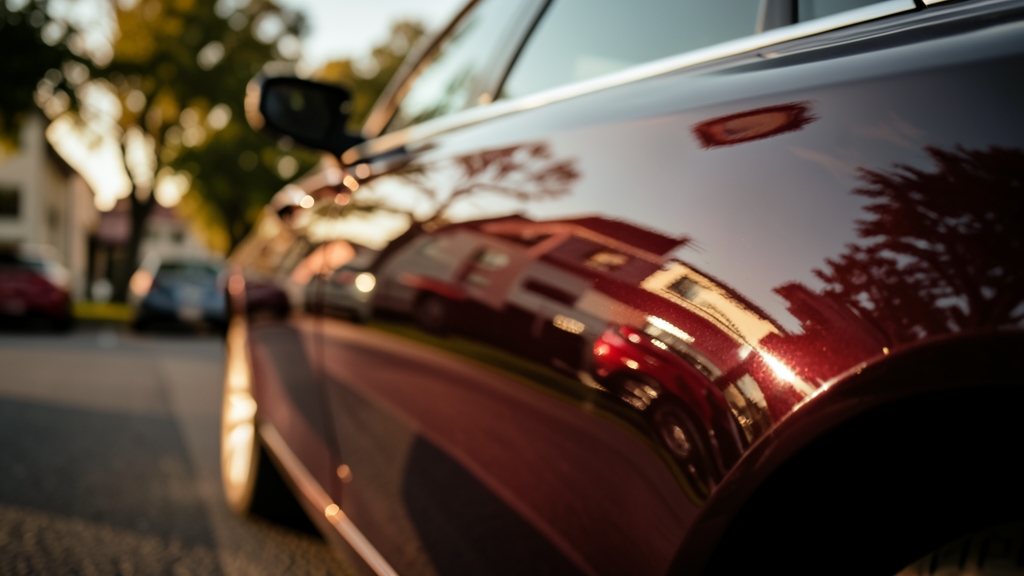
Achieving a showroom-quality finish that lasts isn’t just about the product—it’s about precision. Our team follows a meticulous ceramic coating process to ensure your vehicle’s paint stays protected against San Jose’s sun, road grime, and daily wear. Here’s what goes into every application, from prep to the final glossy result.
Why San Jose Vehicles Need Ceramic Coating
The Bay Area’s intense UV exposure and dry, dusty seasons accelerate paint oxidation and fading. Ceramic coatings act as a sacrificial layer, shielding your clear coat from UV rays, bird droppings, and industrial fallout common in Silicon Valley.
Unlike wax or sealants, nano-ceramic polymers bond chemically with your paint, creating a hydrophobic surface that repels water, dirt, and contaminants. This means easier washes and long-term protection for drivers in San Jose, Santa Clara, and Cupertino.
If you frequently drive near the coast or in areas like Milpitas with higher road salt use, a ceramic coating paired with PPF on high-impact zones offers maximum defense.
Step 1: Deep Cleaning and Decontamination
We start with a thorough two-bucket wash using pH-neutral shampoo to remove surface dirt without stripping existing wax. This prevents swirl marks during the decontamination phase.
Next, we use a clay bar or synthetic clay mitt to lift embedded contaminants like tar, iron particles, and industrial fallout. This step is critical—any missed debris will compromise the coating’s adhesion.
Step 2: Paint Correction and Polishing
Even new cars often have minor imperfections from dealership prep or transport. We perform multi-stage paint correction using dual-action polishers and fine abrasives to eliminate swirls, scratches, and oxidation.
For deeper defects, we may use compound polishes, but we always prioritize preserving as much clear coat as possible. This step ensures the ceramic coating bonds to a flawless surface.
Improper polishing can burn through clear coat or create holograms. Always trust a professional for paint correction in San Jose or Sunnyvale.
Step 3: Final Prep and Surface Wipe-Down
After polishing, we perform a final inspection under LED lighting to catch any missed defects. The surface is then wiped down with isopropyl alcohol or a dedicated prep solution to remove oils and residues.
This step ensures zero contamination between the paint and the coating. Skipping it risks premature failure, especially in San Jose’s fluctuating temperatures.
Step 4: Ceramic Coating Application
Using high-quality nano-ceramic products like Gyeon, Ceramic Pro, or CarPro Cquartz, we apply the coating in small sections with a suede applicator. The product is worked into the paint in cross-hatching patterns for even coverage.
Each layer requires precise curing times—typically 24-48 hours before exposure to water. For added durability, we often apply multiple layers, especially for vehicles in Campbell or Los Gatos with higher exposure to tree sap and pollen.
Ceramic Coating vs. Paint Protection Film (PPF): What’s Right for You?
While ceramic coatings excel at chemical resistance and UV protection, PPF offers superior defense against physical damage like rock chips. Many San Jose drivers opt for a hybrid approach: PPF on high-impact areas (hood, bumper, fenders) and ceramic coating everywhere else.
Ceramic coatings also enhance gloss and depth, whereas PPF is nearly invisible but can be paired with a ceramic top coat for added hydrophobic properties.
| Feature | Ceramic Coating | Paint Protection Film (PPF) |
|---|---|---|
| Protection Type | Chemical & UV resistance | Physical impact resistance |
| Durability | 2-5 years (depending on layers) | 5-10 years (self-healing options available) |
| Maintenance | Low (hydrophobic properties) | Moderate (requires occasional cleaning) |
| Aesthetic Impact | Enhances gloss and depth | Nearly invisible (matte/gloss finishes available) |
| Cost Factors | Varies by vehicle size, layers, and prep work | Varies by coverage area and film type |
Post-Application Care: Maximizing Longevity
For the first 7 days, avoid washing your car or exposing it to rain. After that, use pH-neutral car shampoos and avoid automatic car washes with harsh brushes.
Regular maintenance washes (every 2 weeks) and annual inspections help extend the coating’s life. For wheels and brake calipers, we recommend a dedicated ceramic coating to resist brake dust and high temperatures.
Post-Coating Do’s and Don’ts
- Do use a microfiber wash mitt and grit guards
- Do dry your car with a clean microfiber towel to prevent water spots
- Don’t use wax or sealants (they can interfere with the coating’s properties)
- Don’t park under trees with heavy sap or bird droppings for extended periods
Beyond the Paint: Full-Vehicle Ceramic Protection
Ceramic coatings aren’t just for paint. We also offer ceramic window tint for UV and heat rejection, interior ceramic protection to guard against spills and UV fading, and headlight restoration with a ceramic top coat to prevent yellowing.
For fleet and commercial vehicles in San Jose or Milpitas, ceramic coatings reduce downtime for cleaning and protect resale value. Wheel and brake caliper coatings are especially popular for performance cars in Cupertino and Sunnyvale.
How to Prepare Your Car for Ceramic Coating in San Jose
Proper prep is 80% of a successful ceramic coating application—here’s how to get ready.
- 1Schedule a Consultation
Discuss your goals with our team. We’ll assess your paint condition and recommend the right coating package for your needs and budget.
- 2Address Existing Damage
If your car has deep scratches, chips, or severe oxidation, we’ll include paint correction in the process. Minor defects can often be polished out.
- 3Clean Your Car Thoroughly
Remove all personal items, floor mats, and exterior accessories. A pre-wash at home helps, but we’ll perform a deep clean as part of the service.
- 4Plan for Downtime
Ceramic coatings require curing time. Arrange alternative transportation for 24-48 hours, especially if you’re in a high-traffic area like downtown San Jose.
- 5Avoid Immediate Exposure
After application, keep your car out of direct sunlight, rain, and car washes for at least a week to allow full bonding.
Frequently Asked Questions
How long does a ceramic coating last in San Jose’s climate?
With proper care, a professional ceramic coating typically lasts 2-5 years. San Jose’s UV exposure and dry conditions can slightly reduce longevity, but regular maintenance washes help extend it. Request a quote to discuss layer options for your vehicle.
Can ceramic coating be applied over existing paint protection film (PPF)?
Yes, but the PPF must be thoroughly cleaned and decontaminated first. Applying a ceramic coating over PPF enhances hydrophobic properties and makes the film easier to clean. This is a popular combo for luxury vehicles in areas like Los Altos or Palo Alto.
Does ceramic coating prevent all scratches and chips?
Ceramic coatings provide excellent protection against minor scratches and chemical etching, but they won’t stop rock chips or deep key scratches. For maximum protection, we recommend pairing a ceramic coating with PPF on high-impact areas.
How much does ceramic coating cost for a car in Ceramic Coating San Jose?
The cost depends on several factors: vehicle size, paint condition, number of coating layers, and whether you add services like paint correction or PPF. For an accurate estimate, request a quote—we’ll tailor a package to your needs.
Can I apply ceramic coating myself?
While DIY ceramic coating kits exist, professional application ensures proper prep, even coverage, and longevity. Improper application can lead to streaking, poor bonding, or premature failure. For best results, consult an experienced installer in San Jose or Santa Clara.
Will ceramic coating make my car look shiny all the time?
Ceramic coatings enhance gloss and depth, but they won’t hide existing paint defects. For a mirror-like finish, paint correction is essential before application. The hydrophobic effect also means water beads off, keeping your car looking cleaner between washes.