Does Layering Ceramic Coating Work for Your Car in Ceramic Coating San Jose?
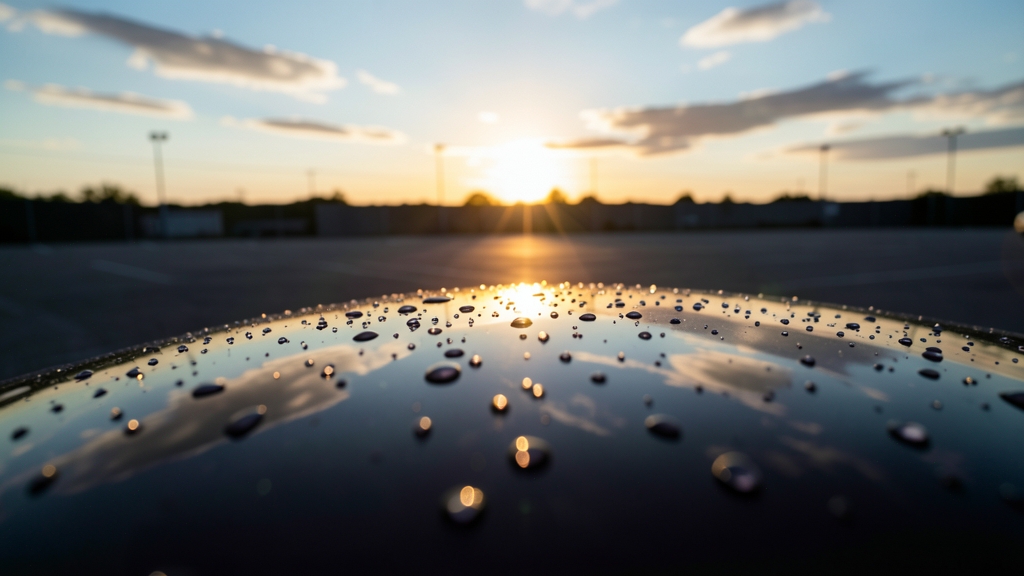
Layering ceramic coatings is a hot topic among San Jose car enthusiasts. We break down whether stacking layers boosts protection or just wastes product—and how our climate affects the decision. The answer depends on your goals, prep, and the coating’s chemistry.
What Layering Ceramic Coating Actually Means
Layering means applying multiple coats of ceramic coating on top of each other, often within the same session. Each layer bonds chemically to the one beneath, not just the paint.
Most professional-grade coatings (like those we use for Ceramic Coating in Santa Clara or Sunnyvale) are designed for 1–2 layers max. More isn’t always better—it’s about saturation, not thickness.
Pros of Layering for San Jose Drivers
Our dry, sunny climate accelerates UV damage and oxidation. A second layer can enhance UV resistance and gloss, especially on darker vehicles.
Layering fills microscopic imperfections better, improving hydrophobic behavior. Water beads tighter, and contaminants wash off easier—critical for dusty Milpitas or Campbell roads.
For high-end builds, a second coat can extend longevity. But only if the first layer fully flashes and bonds. Rushing this step risks poor adhesion.
Each layer needs 5–20 minutes to flash (partially cure) before the next. Humidity and temp in San Jose can shorten or lengthen this window.
The Risks: When Layering Backfires
Over-layering can cause hazing, streaking, or uneven curing. This is common with DIY kits lacking precise SiO2 concentrations.
Without proper paint correction and decontamination (a must for Ceramic Coating in Cupertino’s tech-heavy traffic), layers won’t bond correctly.
Some coatings reject additional layers entirely. Always check the manufacturer’s specs—what works for PPF Installation isn’t the same for a standalone ceramic.
Never layer different brands. Their solvents and resins can react unpredictably, ruining the finish.
Layering vs. Single-Coat: Real-World Comparison
A single, well-applied layer often suffices for daily drivers. Layering shines for show cars or vehicles in harsh conditions—like San Jose’s summer heat and winter rain.
| Factor | Single-Coat | Layered (2x) |
|---|---|---|
| Gloss Enhancement | Good | Excellent |
| UV Protection | Strong | Stronger |
| Hydrophobicity | Very Good | Outstanding |
| Durability (Years) | 3–5 | 4–7 (with proper care) |
| Application Complexity | Moderate | High |
| Cost (Product/Labor) | Lower | Higher |
When We Recommend Layering in the Bay Area
For luxury or classic cars in Ceramic Coating San Jose, layering adds that extra pop and protection. It’s also ideal for fleet vehicles in Milpitas that see heavy sun exposure.
If you’ve invested in paint correction and Full-Vehicle Ceramic Coating, a second layer can lock in that mirror finish. But it’s overkill for most daily drivers.
Combine with Ceramic Window Tint and Wheel & Brake Caliper Ceramic Coating for full protection. These areas benefit from layering too, but require different products.
The Prep Work That Makes or Breaks Layering
Paint must be flawless. That means clay bar decontamination, compounding for swirls, and polishing. Skip this, and layers will amplify imperfections.
Use IPA (isopropyl alcohol) to remove all oils and residues. Even fingerprints can prevent bonding.
Work in a controlled environment. San Jose’s afternoon winds can blow dust onto fresh coatings, causing defects.
Pre-Layering Checklist
- Wash and decontaminate with iron remover and clay
- Perform paint correction (compound + polish)
- Wipe down with IPA (50%+ concentration)
- Ensure surface temp is between 50–80°F
- Check humidity levels (below 60% ideal)
Curing Times: Don’t Rush the Process
Each layer needs 12–24 hours to cure before exposure to water. San Jose’s low humidity helps, but don’t test it.
Full chemical bonding takes 7–14 days. Avoid automatic car washes or harsh chemicals during this period.
For PPF Installation followed by ceramic, wait 24–48 hours between services. The film needs time to relax before coating.
How to Layer Ceramic Coating Like a Pro
Layering isn’t for beginners, but here’s how we do it for clients from Ceramic Coating in Sunnyvale to Campbell.
- 1Prep the Surface
Decontaminate, correct, and polish the paint to a flawless finish. Any imperfections will be locked in.
- 2Apply First Layer
Use a high-quality applicator and work in small sections. Allow 5–20 minutes to flash before the next coat.
- 3Inspect and Level
Check for high spots or streaks with a LED light. Buff gently with a microfiber towel if needed.
- 4Apply Second Layer
Repeat the process, ensuring even coverage. This layer enhances depth and durability.
- 5Final Cure
Park the car in a dry, shaded area for 12–24 hours. Avoid driving in rain or direct sunlight.
Frequently Asked Questions
Can I layer ceramic coating over an existing coating in San Jose?
It depends on the existing coating’s condition and age. If it’s still intact and fully cured (after 2+ weeks), a light polish and IPA wipe may allow a new layer. But we often recommend removing the old coating first for best results.
Does layering ceramic coating add thickness to the paint?
No. Ceramic coatings are measured in microns—thinner than a human hair. Layering increases chemical density, not physical thickness. The protection comes from the bonding, not the bulk.
Is layering worth it for a daily driver in Ceramic Coating San Jose?
For most daily drivers, a single, high-quality layer is sufficient. Layering adds cost and complexity, but can be worth it if you prioritize maximum gloss and longevity, especially in our sunny climate.
How does layering compare to Paint Protection Film (PPF) for rock chips?
PPF is the only true defense against rock chips. Ceramic coatings, even layered, won’t stop physical impacts. We often combine both: PPF for high-impact areas (hood, bumper) and ceramic for the rest.
Can I layer ceramic coating on top of Ceramic Window Tint?
No. Window tint and ceramic coatings are different products with distinct purposes. Tint is applied to the interior of glass, while ceramic coatings are for exterior paint. Never mix them.
What’s the biggest mistake people make when layering in the Bay Area?
Skipping the flash time between layers. San Jose’s warm temps can speed up flashing, but rushing leads to uneven curing. Patience is key—follow the product’s guidelines, not the clock.