Ceramic Coating vs. Wax: What San Jose Drivers Need to Know About Longevity in Ceramic Coating San Jose
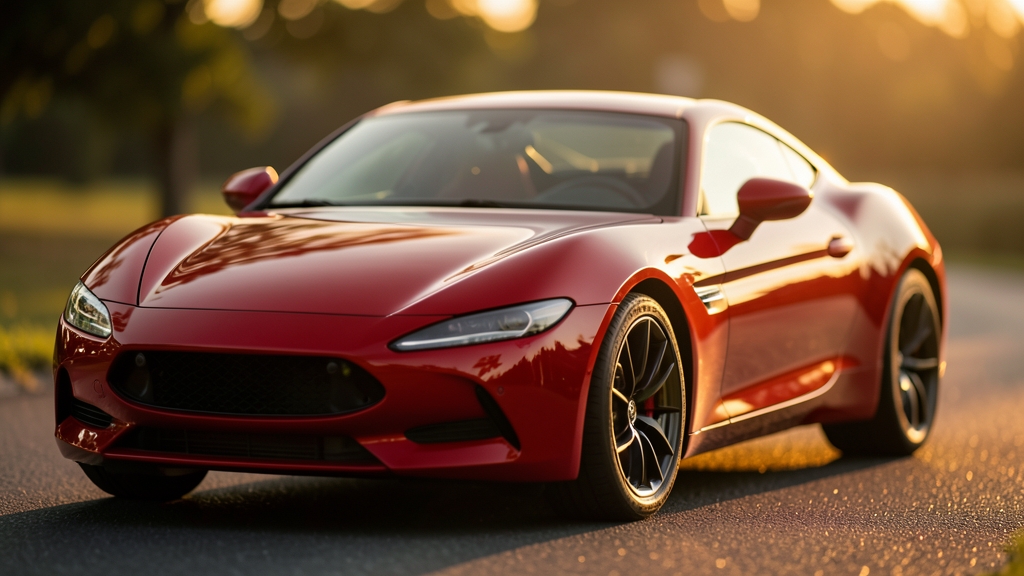
San Jose’s sunny days and dry climate demand serious paint protection. We break down why ceramic coatings outlast wax by years—not months—and how that translates to real-world benefits for your ride. No fluff, just the facts from hands-on experience.
Why Longevity Matters in San Jose’s Climate
Our dry, UV-intense seasons accelerate paint oxidation and fading. A coating’s lifespan directly impacts how long your car stays protected from these local stressors.
Wax melts away in weeks under constant sun exposure. Ceramic coatings bond at the molecular level, resisting heat and UV for years, not seasons.
Ceramic Coating: The Long-Term Shield
A professional-grade ceramic coating (like those we apply) forms a semi-permanent layer over your clear coat. It’s not a product you reapply—it’s an investment that lasts 2–5 years or more with proper care.
Its nano-ceramic polymers create a hydrophobic surface that sheds water, dirt, and contaminants. This means fewer washes and less risk of water spots—a big plus in areas like Sunnyvale or Milpitas with hard water.
Wax: Short-Term Gloss with Limits
Carnauba and synthetic waxes deliver that deep, warm shine enthusiasts love. But they’re sacrificial layers—each wash strips a little away.
In Santa Clara’s heat, carnauba can soften and degrade in as little as 4–6 weeks. Synthetic waxes last longer but still can’t match a coating’s resilience against bird droppings, tree sap, or road grime.
Wax fills in minor imperfections temporarily, but it doesn’t prevent them. Ceramic coatings add a hard layer that resists light scratches and swirls from automatic car washes common in Campbell or Cupertino.
Head-to-Head: Durability Factors
Longevity isn’t just about time—it’s about resistance. Ceramic coatings excel in UV protection, chemical resistance, and heat tolerance, all critical in San Jose’s environment.
Wax offers minimal UV blocking and can break down under high temps. Coatings maintain their integrity even on black cars parked in direct sunlight all day.
| Factor | Ceramic Coating | Carnauba Wax | Synthetic Wax |
|---|---|---|---|
| UV Protection | Excellent | Poor | Moderate |
| Heat Resistance | High (up to 1200°F) | Low (melts ~180°F) | Moderate (~300°F) |
| Chemical Resistance | High (pH 2–12) | Low | Moderate |
| Hydrophobicity | Extreme (120°+ contact angle) | Good | Good |
| Scratch Resistance | Light (9H hardness) | None | None |
| Lifespan | 2–5+ years | 3–6 months | 6–12 months |
Maintenance: Less Work, More Protection
Ceramic-coated cars stay cleaner longer. Dirt and water bead off, reducing the need for frequent washes—a perk for busy drivers in San Jose.
Waxed cars require reapplication every few months. That’s 4–12 touch-ups a year versus a single coating application. For fleet or commercial vehicles, the time savings are massive.
Even with a coating, we recommend a pH-neutral wash every 2 weeks. Avoid harsh soaps—they can degrade both wax and coatings over time.
Cost vs. Value: Think Long-Term
Upfront, ceramic coatings cost more than a wax job. But factor in the time and money saved on reapplication, paint correction, and detailing over years, and the math flips.
For daily drivers or high-end vehicles in Ceramic Coating San Jose, the value is clear. Coatings also pair well with PPF installation for ultimate protection on vulnerable areas like hoods and bumpers.
When Wax Still Makes Sense
Wax isn’t obsolete. It’s ideal for show cars needing that last bit of gloss before a competition, or for drivers who love the ritual of detailing.
Some enthusiasts layer wax over a ceramic coating for extra shine. Just know the wax will wear off quickly, leaving the coating to do the heavy lifting.
Choose Wax If You:
- Enjoy frequent detailing sessions
- Own a show car or weekend cruiser
- Prefer a temporary, natural look
- Aren’t ready to commit to a coating
How to Extend Your Ceramic Coating’s Lifespan
A few simple habits can add years to your coating’s performance.
- 1Wash Smart
Use a pH-neutral car shampoo and microfiber wash mitts. Avoid automatic brush car washes—they cause micro-scratches.
- 2Dry Properly
Use a clean microfiber towel or a blower to prevent water spots. Hard water in San Jose can etch surfaces if left to dry.
- 3Decontaminate Regularly
Iron particles and tar bond to your paint. Use a clay bar or iron remover spray every 3–6 months to keep the coating smooth.
- 4Avoid Harsh Chemicals
Skip dish soap, degreasers, or wax strippers. These can degrade the coating’s hydrophobic layer over time.
- 5Park Strategically
Garage parking or shaded spots reduce UV and heat exposure. If parking outside, consider a car cover for long-term storage.
Frequently Asked Questions
How long does a ceramic coating last in San Jose’s climate?
With proper care, our professional ceramic coatings last 2–5 years or more. The dry heat and UV exposure here can shorten lifespan slightly, but regular maintenance mitigates this. Wax, by comparison, may last just a few weeks in summer.
Can I apply wax over a ceramic coating?
Yes, but it’s not necessary for protection. Some detailers add a layer of wax for extra gloss, especially for car shows. The wax will wear off quickly, while the coating continues to protect.
Does ceramic coating prevent all scratches?
No coating is scratch-proof. Ceramic coatings resist light swirls and marring, but deep scratches from keys or rocks require paint correction or PPF installation for full protection.
Is ceramic coating worth it for older cars in Ceramic Coating San Jose?
Absolutely, if the paint is in good condition. We often pair coatings with paint correction to restore gloss before sealing it. For heavily oxidized paint, correction is a must first.
How does ceramic coating compare to paint protection film (PPF)?
PPF offers superior physical protection against chips and deep scratches, while ceramic coatings provide better chemical resistance and hydrophobicity. Many drivers in Cupertino or Campbell combine both for ultimate defense.
Will a ceramic coating make my car maintenance-free?
Not quite. While coatings drastically reduce maintenance, you’ll still need to wash your car regularly and address contaminants. Think of it as low-maintenance, not no-maintenance.