Why Ceramic Coating San Jose Is a Smart Investment for Luxury and Exotic Cars
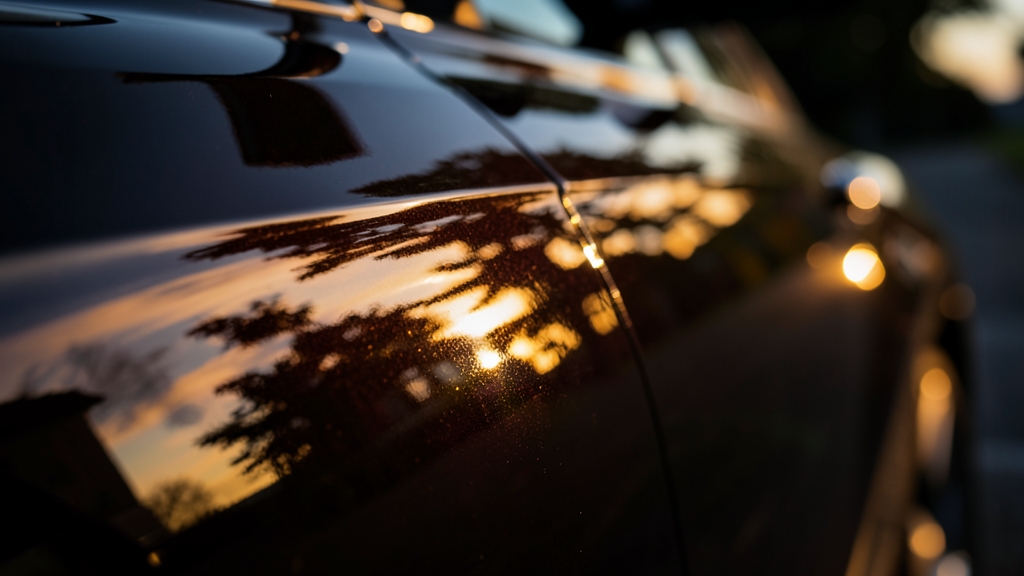
Luxury and exotic cars demand more than a wash and wax. In the Bay Area’s harsh sun and salty coastal air, ceramic coating offers a permanent shield that preserves paint, repels contaminants, and keeps your vehicle looking showroom-fresh for years. We’ll break down why it’s the ultimate investment for high-end automobiles.
What Makes Ceramic Coating Different from Traditional Wax or Sealants?
Wax and sealants sit on the surface, wearing off in weeks. Ceramic coating chemically bonds with your clear coat, creating a hydrophobic layer that lasts 2-5 years or more.
Nano-ceramic polymers (like SiO2) form a rigid, glass-like barrier. This resists UV rays, bird droppings, tree sap, and industrial fallout far better than any synthetic sealant.
| Protection Type | Durability | Hydrophobic Effect | UV Resistance | Gloss Enhancement |
|---|---|---|---|---|
| Ceramic Coating | 2-5+ years | Extreme (water beads instantly) | High (prevents oxidation) | Deep, mirror-like shine |
| Synthetic Sealant | 4-6 months | Moderate (water sheets off) | Moderate | Good, but fades |
| Natural Wax | 1-3 months | Low (water beads briefly) | Low | Warm, but short-lived |
How the Bay Area Climate Accelerates Paint Damage
San Jose’s 300+ sunny days per year mean relentless UV exposure. Without protection, clear coats oxidize, fade, and develop micro-cracks over time.
Coastal humidity and morning fog in nearby Santa Clara and Sunnyvale promote water spots and mineral deposits. Ceramic coating’s slick surface prevents these from etching into your paint.
Dust from Milpitas and Campbell construction zones, plus road grime, sticks less to a coated surface. This reduces swirl marks during washes.
Applying ceramic coating over swirls or scratches locks in imperfections. We always recommend paint correction and polishing before coating for flawless results.
The Science Behind Ceramic Coating’s Protection
Ceramic coatings cure to form a semi-permanent layer, typically 2-5 microns thick. This hardness (measured in pencils, often 9H or higher) resists light scratches and marring.
The hydrophobic effect isn’t just for looks—it reduces water spots and makes drying effortless. Contaminants like tar and bug splatter also release more easily.
Thermal resistance is a hidden benefit. Ceramic coatings can withstand temperatures up to 1,800°F, protecting paint from heat damage common in high-performance vehicles.
Luxury and Exotic Cars That Benefit Most
Dark-colored vehicles (black, deep blue, or metallic gray) show swirls and water spots the most. Ceramic coating keeps them looking pristine between details.
Exotics with soft or thin factory clear coats (think Ferrari, Lamborghini, or McLaren) are especially vulnerable. A coating adds a sacrificial layer to preserve resale value.
Daily-driven luxury sedans and SUVs in Cupertino or Campbell see heavy road grime. Coating reduces the frequency of professional washes needed to maintain appearance.
For track-day cars or vehicles in high-impact areas, combine ceramic coating with paint protection film (PPF). PPF guards against rock chips, while the coating enhances gloss and repels contaminants.
What to Expect During the Ceramic Coating Process
We start with a thorough decontamination wash using iron removers and clay bars. This removes embedded particles that washing alone can’t touch.
Next comes paint correction—machine polishing to eliminate swirls, scratches, and oxidation. This step ensures the coating bonds to a perfectly smooth surface.
The coating is applied in thin, even layers by hand or machine. It requires 24-48 hours to cure fully, during which the car must stay dry and untouched.
Maintaining Your Ceramic Coated Vehicle
Wash your car every 1-2 weeks with a pH-neutral shampoo. Avoid automatic car washes with harsh brushes—they can prematurely wear the coating.
Use a ceramic-safe detail spray to boost hydrophobicity between washes. This refreshes the beading effect without reapplying the coating.
Even with a coating, bird droppings and bug splatter should be removed ASAP. While the coating resists etching, prolonged exposure can still cause damage.
Ceramic Coating Maintenance Essentials
- Use microfiber wash mitts and towels only
- Dry the vehicle with a blower or clean microfiber towel to prevent water spots
- Avoid wax or sealants—they can interfere with the coating’s properties
- Schedule an annual inspection to check for wear or contamination buildup
Ceramic Coating for More Than Just Paint
Wheels and brake calipers take a beating from brake dust and road grime. A ceramic coating on these parts makes cleaning easier and prevents corrosion.
Interior surfaces like leather, plastic, and glass can also be coated. This repels stains, reduces UV fading, and simplifies maintenance for luxury cabins.
Headlight restoration paired with a ceramic coating prevents yellowing and haze, improving nighttime visibility and safety.
How to Choose the Right Ceramic Coating for Your Vehicle
Not all ceramic coatings are created equal—here’s how to pick one for your luxury or exotic car.
- 1Assess Your Vehicle’s Needs
Consider your driving habits, storage conditions, and paint color. Darker colors and daily drivers benefit from higher-end, longer-lasting coatings.
- 2Evaluate Coating Brands and Formulas
Professional-grade brands like Gtechniq, CarPro, and Ceramic Pro offer varying levels of durability and gloss. We use only premium, industry-trusted products.
- 3Decide Between Single-Layer or Multi-Layer Application
Single-layer coatings are cost-effective for basic protection. Multi-layer systems (2-3 coats) provide enhanced depth, durability, and hydrophobic performance.
- 4Check for Add-On Services
Pair your coating with paint correction, PPF, or interior protection for comprehensive coverage. These services work together for maximum longevity.
- 5Consult a Professional Installer
Application precision matters. Request a quote from a local expert to discuss your options and ensure proper prep work and curing conditions.
Frequently Asked Questions
How long does ceramic coating last on a luxury car in San Jose?
With proper maintenance, professional-grade ceramic coatings typically last 2-5 years. The Bay Area’s climate can slightly reduce longevity due to UV and salt exposure, but regular care extends it.
Can ceramic coating prevent rock chips?
Ceramic coating adds hardness and scratch resistance, but it’s not a substitute for paint protection film (PPF). For full protection against rock chips, we recommend combining both.
Is ceramic coating worth it for a leased vehicle?
Yes—it preserves the paint’s condition, which can help avoid excess wear-and-tear charges at lease-end. Many lessees in Cupertino or Sunnyvale opt for coating to maintain resale value.
Does ceramic coating make my car easier to clean?
Absolutely. The hydrophobic and oleophobic (oil-repelling) properties mean dirt, mud, and grime rinse off with minimal effort. You’ll spend less time washing and more time driving.
What’s the difference between DIY and professional ceramic coating in San Jose?
Professional installers use high-grade products and have the tools for proper paint correction and application. DIY kits are less durable, often last under a year, and lack the depth of protection.
Can I apply ceramic coating over existing paint protection film (PPF)?
Yes, and it’s a popular combo. The ceramic coating enhances the PPF’s gloss and hydrophobic properties, while the film provides the ultimate defense against chips and scratches.