Ceramic Coating for Electric Vehicles: What San Jose EV Owners Need to Know in Ceramic Coating San Jose, CA
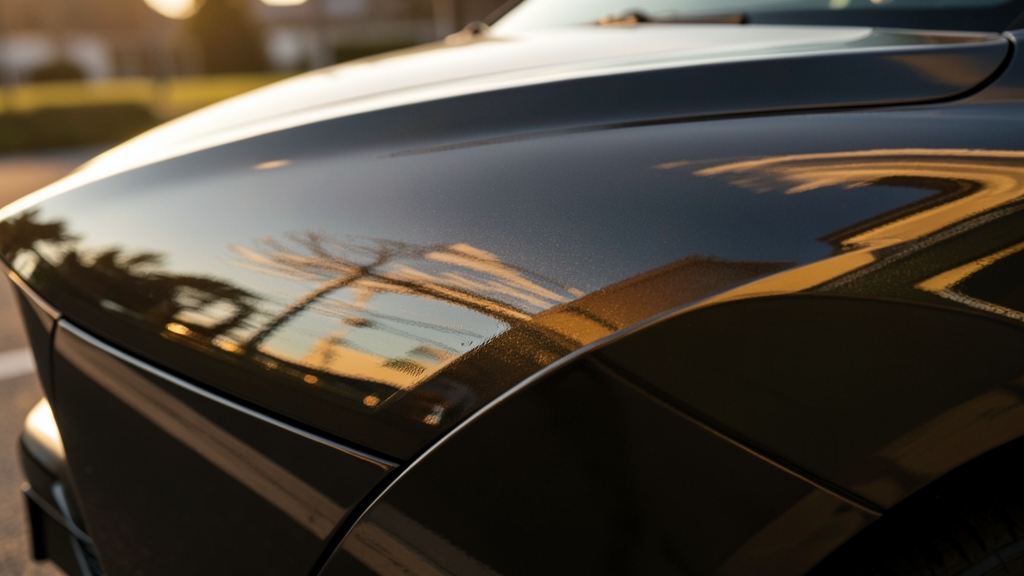
Electric vehicles demand the same—if not greater—paint protection as their gas-powered counterparts. In San Jose’s dry climate, UV exposure and brake dust from regenerative systems accelerate wear. We tailor ceramic coatings to preserve your EV’s finish and efficiency.
Why EVs in San Jose Need Ceramic Coating More Than Most
San Jose’s intense sunlight and low humidity dry out clear coats faster, leaving EV paint vulnerable to oxidation. Ceramic coatings add a 9H-rated shield that repels UV rays and prevents fading, critical for maintaining resale value.
Regenerative braking in Teslas, Lucids, and Rivians generates fine metallic dust that clings to wheels and lower panels. Our ceramic coatings reduce this buildup, making cleanup easier and protecting against etching.
How Ceramic Coatings Protect EV-Specific Components
EV charging ports and sensor clusters are exposed to the elements. A ceramic coating on these areas prevents water ingress and corrosion, ensuring reliable performance in sudden Bay Area downpours.
The aerodynamic designs of models like the Tesla Model S or Ford Mustang Mach-E feature complex curves. Our coatings conform seamlessly to these surfaces, enhancing gloss while shielding against micro-scratches from automatic car washes.
Avoid applying thick coatings over LiDAR or camera lenses. We use ultra-thin, optically clear ceramics that won’t disrupt ADAS functionality.
Ceramic Coating vs. Paint Protection Film for EVs: A Local Comparison
Both options defend against San Jose’s harsh conditions, but they serve different needs. PPF excels at impact resistance, while ceramic coatings offer superior hydrophobic properties and UV defense.
For EV owners in Campbell or Cupertino, we often recommend a hybrid approach: PPF on high-impact zones like the front bumper, paired with a full-vehicle ceramic coating for overall protection and shine.
| Feature | Ceramic Coating | Paint Protection Film (PPF) |
|---|---|---|
| UV Resistance | Excellent (99%+ blockage) | Good (varies by film) |
| Self-Healing | Limited (minor swirls) | Yes (with heat or sunlight) |
| Impact Protection | Moderate (scratch-resistant) | High (absorbs stone chips) |
| Hydrophobic Effect | Superior (beading lasts 2-5 years) | Moderate (depends on top coat) |
| Gloss Enhancement | High (deep, mirror-like finish) | Neutral (matte or gloss options) |
| Maintenance | Low (easier washing) | Moderate (edges can peel over time) |
The Paint Correction Step: Non-Negotiable for EVs
Most EVs arrive with factory paint imperfections—swirls, orange peel, or holograms. Our paint correction process in San Jose removes these flaws before applying ceramic coatings, ensuring a flawless base.
Skipping correction on a new Rivian or F-150 Lightning means trapping defects under the coating. We use multi-stage polishing with EV-safe compounds to restore clarity without damaging sensitive clear coats.
Over-the-counter ceramic sprays lack the durability and thickness of professional-grade nano-ceramic polymers. Improper application can damage high-end EV finishes.
Ceramic Coating Layers: What San Jose EV Owners Should Choose
A single-layer coating may suffice for daily drivers in Milpitas, but we recommend 2-3 layers for Teslas or Lucids exposed to highway driving. Each layer adds depth, durability, and hydrophobic performance.
For fleet EVs in Santa Clara, we offer commercial-grade multi-layer systems with anti-graffiti properties, ideal for ride-share or delivery vehicles facing frequent cleaning.
Wheel and Brake Caliper Coating: A Must for EVs
EV brake systems generate less heat but more abrasive dust due to regenerative braking. Ceramic coating wheels and calipers in Sunnyvale prevents pitting and makes brake dust wash off with water.
We apply high-temp ceramic formulations to calipers, ensuring they withstand the heat cycles of performance EVs like the Porsche Taycan or Audi e-tron GT.
Maintenance After Ceramic Coating: EV-Specific Advice
Ceramic coatings reduce maintenance but don’t eliminate it. We advise washing your EV every 2 weeks in San Jose’s dusty seasons to prevent contaminant bonding.
Use pH-neutral shampoos and microfiber towels. Avoid automatic car washes with harsh brushes—they can prematurely wear down the coating’s hydrophobic layer.
Post-Coating Care for EVs
- Wash with ceramic-safe shampoo (no wax or sealants)
- Dry with a clean microfiber towel to prevent water spots
- Avoid parking under trees (sap and bird droppings etch coated surfaces)
- Reapply a ceramic boost spray every 6-12 months
How to Prepare Your EV for Ceramic Coating in San Jose
Proper prep ensures maximum adhesion and longevity for your coating.
- 1Deep Clean and Decontamination
We start with a thorough wash using iron-removing solutions to eliminate embedded brake dust and industrial fallout common in Silicon Valley.
- 2Paint Correction
Multi-stage polishing removes swirls, scratches, and oxidation. This step is critical for EVs with soft or thin factory clear coats.
- 3Surface Prep
A final wipe-down with isopropyl alcohol removes oils and residues, ensuring a pristine surface for the ceramic coating to bond.
- 4Coating Application
We apply the ceramic coating in controlled layers, allowing each to cure before adding the next. This process can take 1-2 days depending on the vehicle size.
- 5Curing Period
Avoid washing or exposing the vehicle to rain for 24-48 hours. Full hardness is achieved after 7-14 days, depending on the product used.
Frequently Asked Questions
Does ceramic coating affect my Tesla’s Autopilot cameras?
No, when applied correctly. We use ultra-thin, optically clear ceramics on camera lenses and sensors. Thick coatings can disrupt functionality, so we avoid them on ADAS components.
How often should I reapply ceramic coating on my EV in San Jose?
Professional-grade coatings last 2-5 years, but San Jose’s climate may shorten this slightly. We recommend inspecting annually and reapplying a top-up layer every 2-3 years for optimal protection.
Can ceramic coating prevent rock chips on my Rivian?
Ceramic coatings add scratch resistance but won’t stop rock chips. For off-road EVs, we recommend pairing a coating with paint protection film on high-impact areas like the hood and bumper.
Is ceramic coating worth it for a leased EV in Ceramic Coating San Jose?
Yes, especially for high-mileage leases. It preserves the paint, reduces detailing costs, and helps avoid excess wear-and-tear charges at lease-end. Request a quote to compare long-term savings.
Will ceramic coating improve my EV’s range?
Indirectly, yes. A smoother, cleaner surface reduces aerodynamic drag slightly. More importantly, it protects the paint, which can degrade over time and increase drag if left unmaintained.
Do you offer ceramic coating for EV charging ports?
Absolutely. We apply a thin, flexible ceramic coating to charging ports and surrounding areas to prevent corrosion and water damage, which is especially useful in San Jose’s occasional heavy rains.