Can You Layer Ceramic Coating for Extra Protection in Ceramic Coating San Jose?
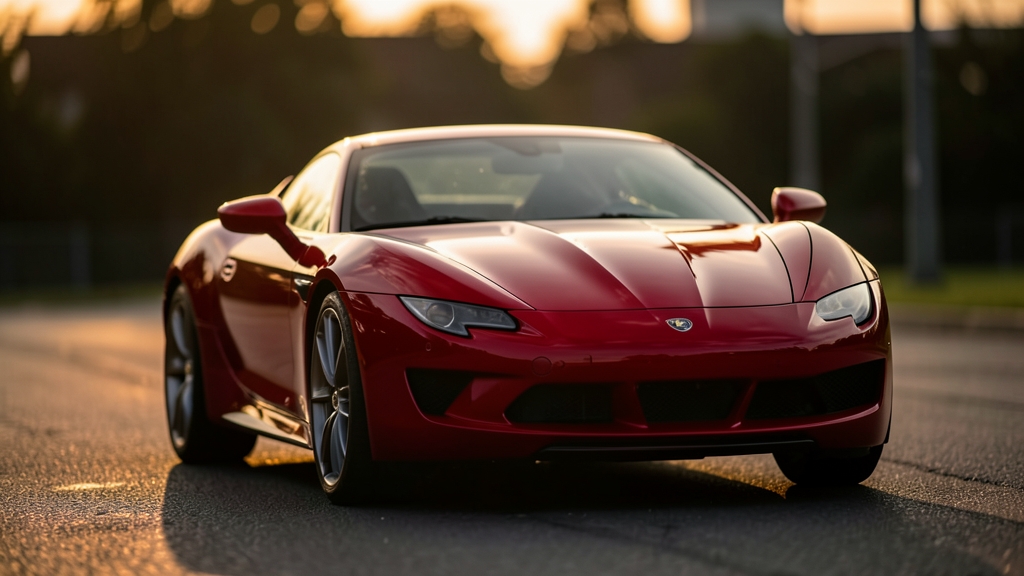
Layering ceramic coating sounds like a smart way to double down on protection, especially under San Jose’s intense sun and dry seasons. But does stacking layers actually work, or does it waste product—or worse, harm your paint? We break down the chemistry, real-world results, and when layering makes sense for Bay Area drivers.
How Ceramic Coatings Bond to Your Paint
Ceramic coatings create a semi-permanent bond with your vehicle’s clear coat through a chemical process called cross-linking. The silica (SiO2) and titanium dioxide in high-quality formulas react with oxygen to form an ultra-hard, hydrophobic layer.
This isn’t a physical film like wax or sealant. It’s a molecular fusion that fills microscopic imperfections, enhancing gloss and resistance to UV rays, bird droppings, and industrial fallout common in Silicon Valley’s urban sprawl.
The Truth About Layering Ceramic Coatings
Layering the same ceramic coating doesn’t double protection. Once the first layer fully cross-links—usually in 24–48 hours—additional applications won’t bond chemically. They’ll just sit on top, offering minimal benefit and potentially causing streaking or uneven curing.
Think of it like painting a wall that’s already sealed. The second coat won’t adhere as well, and the extra thickness can interfere with the coating’s self-cleaning properties. In San Jose’s dusty conditions, this can trap contaminants instead of repelling them.
Applying a second layer of the same ceramic coating before the first has cured can lead to hazing, reduced hydrophobicity, and a shorter lifespan. Always follow the manufacturer’s curing guidelines.
When Layering *Does* Work: Combining Different Formulas
Some professionals use a layered approach with *complementary* products. For example, a base ceramic coating with high SiO2 content for durability, topped with a graphene-infused coating for enhanced heat resistance and slickness.
This method is advanced and requires precise timing and compatibility testing. It’s not a DIY job—our team in San Jose reserves it for high-end vehicles or those facing extreme conditions, like fleet trucks in Milpitas or luxury cars in Cupertino.
Ceramic Coating vs. Paint Protection Film: A Better Layering Strategy
For maximum defense, many Bay Area drivers combine ceramic coatings with Paint Protection Film (PPF). PPF shields against rock chips and scratches, while the ceramic coating adds hydrophobicity and UV resistance on top.
This duo is ideal for San Jose’s freeways, where road debris is a constant threat. We often recommend PPF on high-impact areas (hood, bumper, fenders) with a full ceramic coating for the rest of the vehicle.
| Feature | Ceramic Coating | Paint Protection Film (PPF) | Best For |
|---|---|---|---|
| Protection Type | Chemical bond (UV, contaminants) | Physical barrier (chips, scratches) | Combination for full defense |
| Durability | 2–5 years (depends on maintenance) | 5–10 years (self-healing options) | Long-term investment |
| Hydrophobicity | High (water beads off) | Moderate (unless paired with coating) | Ceramic for easy cleaning |
| Aesthetics | Enhances gloss and depth | Can be matte or glossy | Showroom shine |
| Maintenance | Low (wash with pH-neutral soap) | Low (but requires occasional PPF maintenance) | Minimal upkeep |
San Jose’s Climate: Why a Single, High-Quality Coating Often Suffices
Our dry, sunny climate accelerates oxidation and paint fading, but it also means ceramic coatings cure faster and last longer than in humid regions. A single, professionally applied coating—like those we use in Santa Clara or Sunnyvale—can provide 3–5 years of robust protection.
Layering isn’t necessary unless you’re targeting specific weaknesses, like extreme heat resistance for vehicles parked outdoors in Campbell or Cupertino. Even then, a premium single-layer coating usually outperforms a poorly executed multi-layer attempt.
For San Jose’s UV exposure, opt for a ceramic coating with high UV inhibitors and at least 80% SiO2 content. Graphene-based coatings add heat resistance for darker vehicles.
The Risks of DIY Layering Attempts
DIY layering often leads to uneven application, improper curing, or incompatible product mixing. This can result in peeling, water spots, or a dull finish—especially under San Jose’s hard water, which leaves mineral deposits if not rinsed properly.
Improper layering can also void warranties from professional-grade brands. If you’re set on experimenting, test on a small, hidden panel first and monitor for at least a week.
Maintenance Matters More Than Layering
A single, well-maintained ceramic coating will outlast a poorly layered one. Regular washing with a pH-neutral soap, avoiding automatic car washes with harsh brushes, and annual inspections extend its life significantly.
In San Jose, we recommend a maintenance spray or booster every 6–12 months to refresh hydrophobicity. This is far more effective—and safer—than attempting to layer a new coating over the old one.
Ceramic Coating Maintenance Essentials
- Wash with a pH-neutral car shampoo every 2 weeks
- Use a microfiber wash mitt to prevent swirl marks
- Avoid parking under trees (sap and bird droppings etch coating)
- Apply a ceramic booster spray every 6–12 months
- Dry with a clean microfiber towel to prevent water spots
How to Safely Apply a Second Ceramic Coating Layer (If Absolutely Necessary)
Only attempt this if you’re using compatible, professional-grade products and have experience with paint correction.
- 1Assess the Existing Coating
Use a water test: if water beads tightly and sheets off, the coating is still active. If not, it may be time for a full reapplication, not layering.
- 2Perform a Light Polish
Use a fine polishing compound (e.g., 2000-grit) to lightly abrade the surface. This helps the new layer bond, but don’t remove too much of the original coating.
- 3Clean and Decontaminate
Use an iron remover and clay bar to eliminate embedded contaminants. Any residue will prevent proper bonding.
- 4Apply the New Layer Thinly
Use a high-quality applicator and work in small sections. Apply the thinnest possible layer—thick applications won’t cure properly.
- 5Allow Full Curing Time
Park the vehicle in a dry, shaded area (like a garage in San Jose) for at least 24–48 hours. Avoid washing or exposing it to moisture during this period.
Frequently Asked Questions
Will layering ceramic coating make my car’s paint last forever?
No. Even layered coatings degrade over time due to UV exposure, environmental contaminants, and wear. A single, high-quality coating with proper maintenance can last 3–5 years in San Jose’s climate. Layering doesn’t eliminate the need for eventual reapplication.
Can I layer a ceramic coating over Paint Protection Film (PPF)?
Yes, and it’s a popular combo in areas like Ceramic Coating in Santa Clara and Ceramic Coating in Sunnyvale. The ceramic coating enhances the PPF’s hydrophobicity and UV resistance, while the PPF protects against physical damage. Just ensure the PPF is fully cured first.
What happens if I apply a second ceramic coating too soon?
If the first layer hasn’t fully cured (usually 24–48 hours), the second layer won’t bond properly. This can lead to streaking, hazing, or a weaker overall finish. In San Jose’s dry air, curing happens faster, but it’s still critical to wait.
Is layering ceramic coating worth it for my daily driver in San Jose?
For most daily drivers, a single professional-grade ceramic coating is sufficient. Layering is overkill unless you’re addressing specific needs, like extreme heat resistance or chemical exposure. Focus on maintenance instead.
Can I use different brands for layering ceramic coatings?
It’s risky. Different brands may have incompatible solvents or curing agents, leading to poor bonding or failure. If layering, stick to products from the same manufacturer or consult a professional in Ceramic Coating San Jose.
How do I know if my ceramic coating is failing and needs a new layer?
Signs include reduced hydrophobicity (water no longer beads), increased water spotting, or a duller appearance. If these occur, it’s usually better to remove the old coating and reapply a fresh single layer rather than layering over it.